Personal Blenders for Small Kitchens: Base Footprint and Storage

A personal blender is small — until the cups, the cord and the assembled height show up. Measure the base, the cup and the outlet run first, then pick the one that fits.


A personal blender is small — until the cups, the cord and the assembled height show up. Measure the base, the cup and the outlet run first, then pick the one that fits.

Slow-cooker quarts are rated to the brim, but manuals say cook half to two-thirds full. Measure usable capacity, lid-on height and steam space first — then pick a small cooker that truly fits.
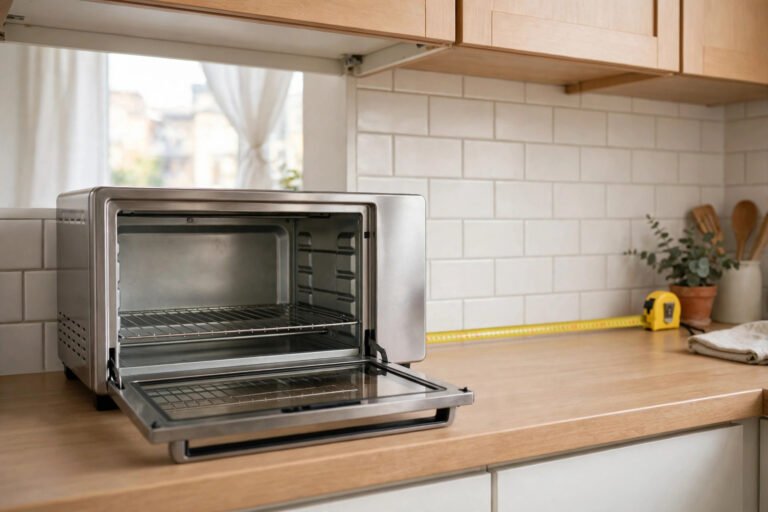
A toaster oven's listed depth rarely includes the handle, the open door, or the air gap its manual demands. Measure all three first, then choose.

The cups on the box are brim capacity, not working capacity. Measure real batch size, cabinet height and where the blades live first — then pick a compact processor that truly fits.
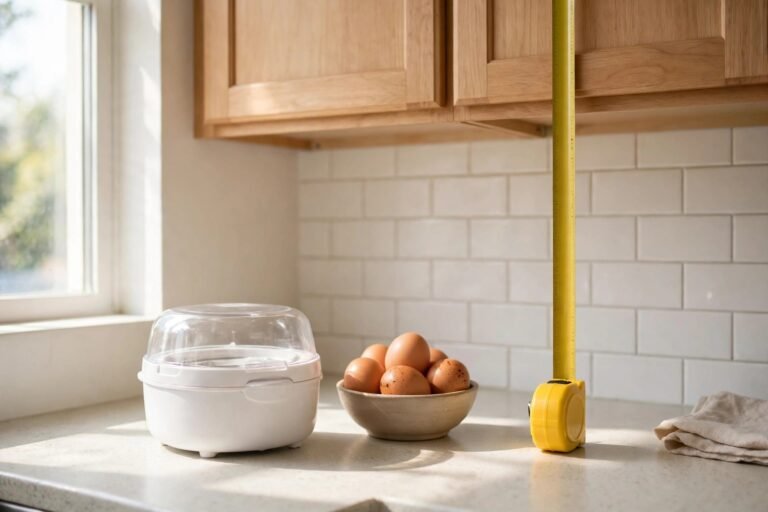
Egg cookers look tiny in product photos, but the trays, the steam and the cabinet gap decide whether one works in a small kitchen. Measure first, then pick.

A juicer's box dimensions are not its real footprint. Measure it assembled — jug, pulp bin and pusher included — and count the parts you will wash every day.
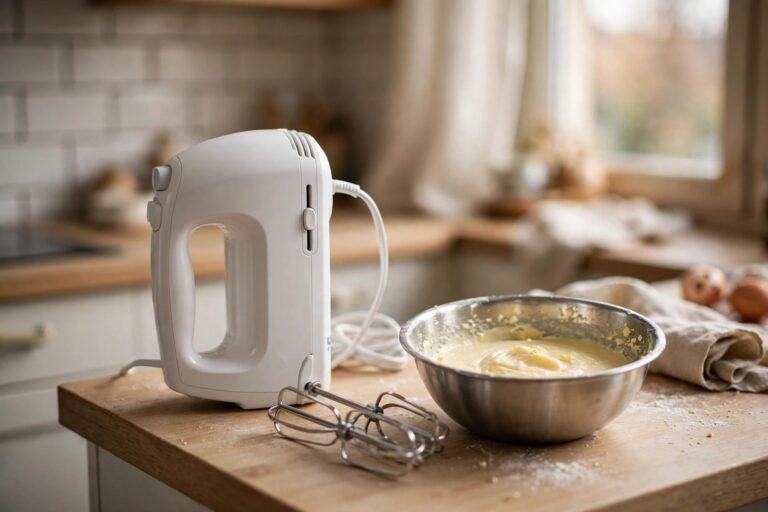
A hand mixer is small; its beaters, whisk, hooks, and cord are not. These 6 compact hand mixers are compared by case footprint, beater storage, and cord length — the three things that decide whether one actually fits a small kitchen.

A bread machine only earns counter space if it fits with the lid open. Compare six compact models by footprint, height and real loaf size — then measure before you buy.

A vacuum sealer only saves space if the machine and its bags both fit. Compare six compact sealers by footprint depth, roll storage and seal width.
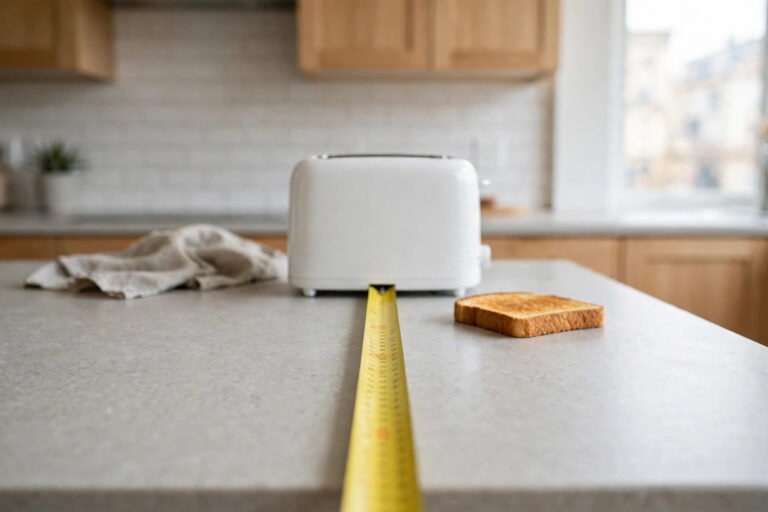
A toaster can look compact and still eat 11 inches of counter depth. Measure true depth, tray access and storage height first, then pick a model that fits.